ByJohn A
What Are Altcoins and How Do They Work?
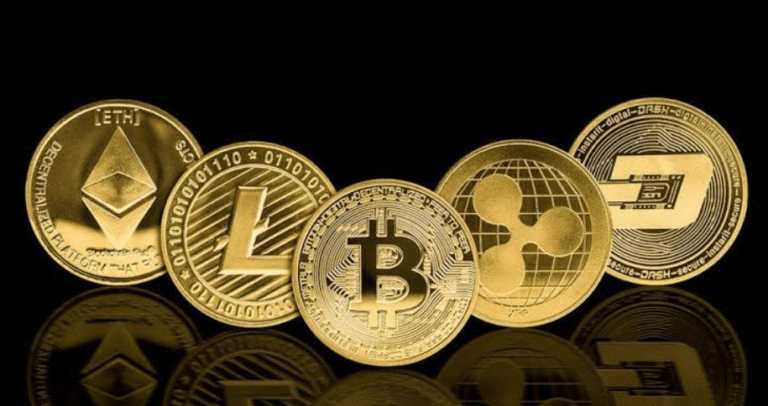
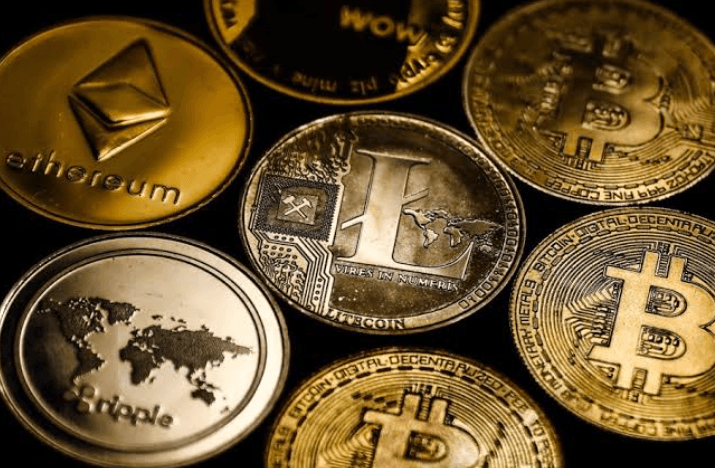
Altcoins are cryptocurrencies other than Bitcoin, created to address specific aims or perceived gaps. They rely on assets, nodes, and consensus to validate transactions and secure the network. Many introduce distinct governance, incentives, and technical designs, often combining tokens with built-in use cases. Skepticism is warranted: hype can mask risk, security flaws, or unclear regulation. The landscape varies widely, and questions remain about long-term viability and actual utility beyond marketing claims. The next move may reveal more than promises.
What Are Altcoins and How They Differ
Altcoins are cryptocurrencies other than Bitcoin, created to address perceived limitations or to serve different use cases within blockchain ecosystems. They differ in goals, governance, and technical design rather than universality.
The comparison often centers on altcoins vs. tokens, which reflects product scope and compliance. Altcoins hype trends can mislead; critical evaluation remains essential for informed, freedom-minded participation.
How Altcoins Work: Assets, Nodes, and Consensus
How do altcoins function in practice? Assets, nodes, and consensus form the core mechanics.
Altcoins deploy tokens as funds or utilities, yet the boundary between altcoins vs tokens can blur in practice.
Nodes validate transactions and maintain networks, while consensus algorithms secure agreement on state.
Blockchain governance shapes upgrades, but centralized pressure and forks threaten decentralization and user control.
Key Categories: Smart-Contract Platforms, Stablecoins, and More
Key categories in the altcoin ecosystem include smart-contract platforms, stablecoins, and other specialized chains, each defined by distinct design goals and risk profiles. These distinctions matter for actors seeking freedom yet confronting privacy concerns and regulatory landscape. Analysts remain cautious: capability, governance, and resilience vary, while claims of universal advantage overlook systemic tensions, compliance requirements, and potential centralization that undermine decentralized rhetoric.
How to Evaluate Altcoins: Use Cases, Security, and Risks
To evaluate altcoins effectively, one must examine concrete use cases, security properties, and inherent risks rather than rely on hype. The analysis should measure real market potential, not promises, and scrutinize governance mechanisms for transparency and accountability. Risks include centralization, codified flaws, and uncertain regulation. A skeptical lens clarifies value, differentiating durable fundamentals from speculative narratives that tempt freedom-seeking investors.
Frequently Asked Questions
How Do Altcoins Gain and Lose Market Value?
Altcoins gain and lose market value through speculative demand, liquidity dynamics, and evolving utility; volatility drivers include media hype, regulatory shifts, and tokenomics. Skeptically, one notes price movements reflect risk appetite and market depth, not inherent value or stability for freedom-seeking investors.
Are Altcoins Legal in My Country and Taxed?
A symbol of risk and choice, the question: legality and taxation of altcoins varies by jurisdiction, with uneven regulatory status and evolving tax rules. Altcoin taxation and regulatory status remain uncertain, unsettled, and subject to reform and discretion.
What Are Common Exit Scams and Red Flags?
Exit scam red flags include sudden withdrawal halts, unrealistic returns, opaque teams, and lack of verifiable audits; beware fake liquidity, embezzlement, or exit liquidity events. Scam prevention strategies emphasize due diligence, diversified exposure, and transparent, verifiable disclosures.
Can Altcoins Replace Traditional Fiat or Central Banks?
Altcoins are unlikely to fully supplant fiat or central banks; nonetheless, altcoin regulation and central bank competition could alter monetary dynamics, incentivizing innovation while preserving governance, risk controls, and public trust in national currencies and financial stability.
See also: freshlytimes
How Do Forks Affect an Altcoin’s Ecosystem and Price?
Fork dynamics introduce volatility to an altcoin’s ecosystem, while governance tensions often fracture communities and delay improvements; skeptics note price disruption may reflect speculative reassessment rather than fundamental value, challenging proponents who equate freedom with rapid, uncoordinated changes.
Conclusion
Altcoins resemble distant shores: promises of novelty, yet often shadowed by the weight of precedent and risk. Like rumors at a harbor, strategies vary—some deploy robust smart contracts, others anchor in stability or governance experiments. Their value hinges on practical use, security, and clear regulation, not hype. Investors should probe assets, nodes, and consensus with disciplined skepticism, mapping use cases against real-world needs. In the end, only verifiable utility withstands the tide of volatility and speculation.